40 to 85 A power units
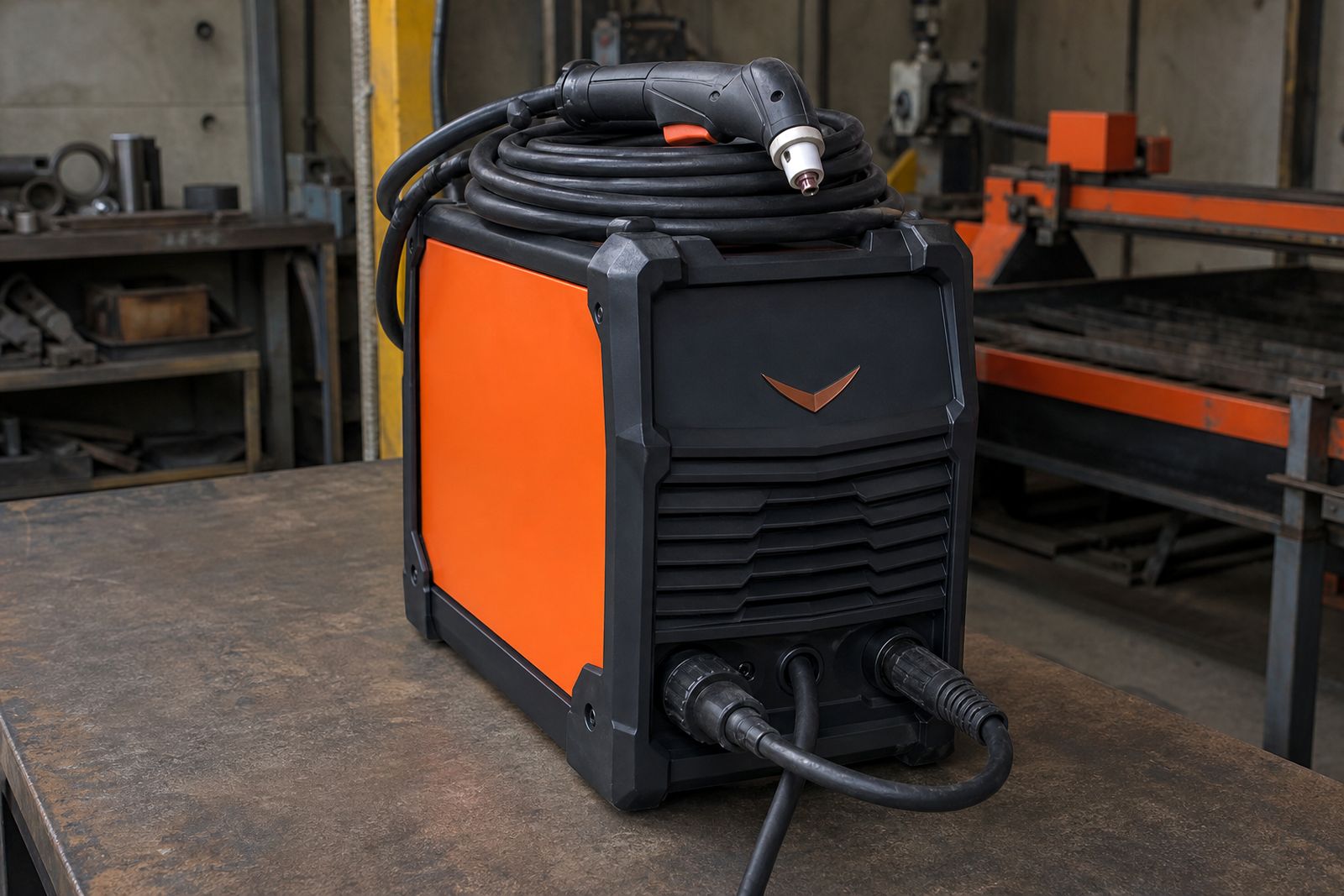
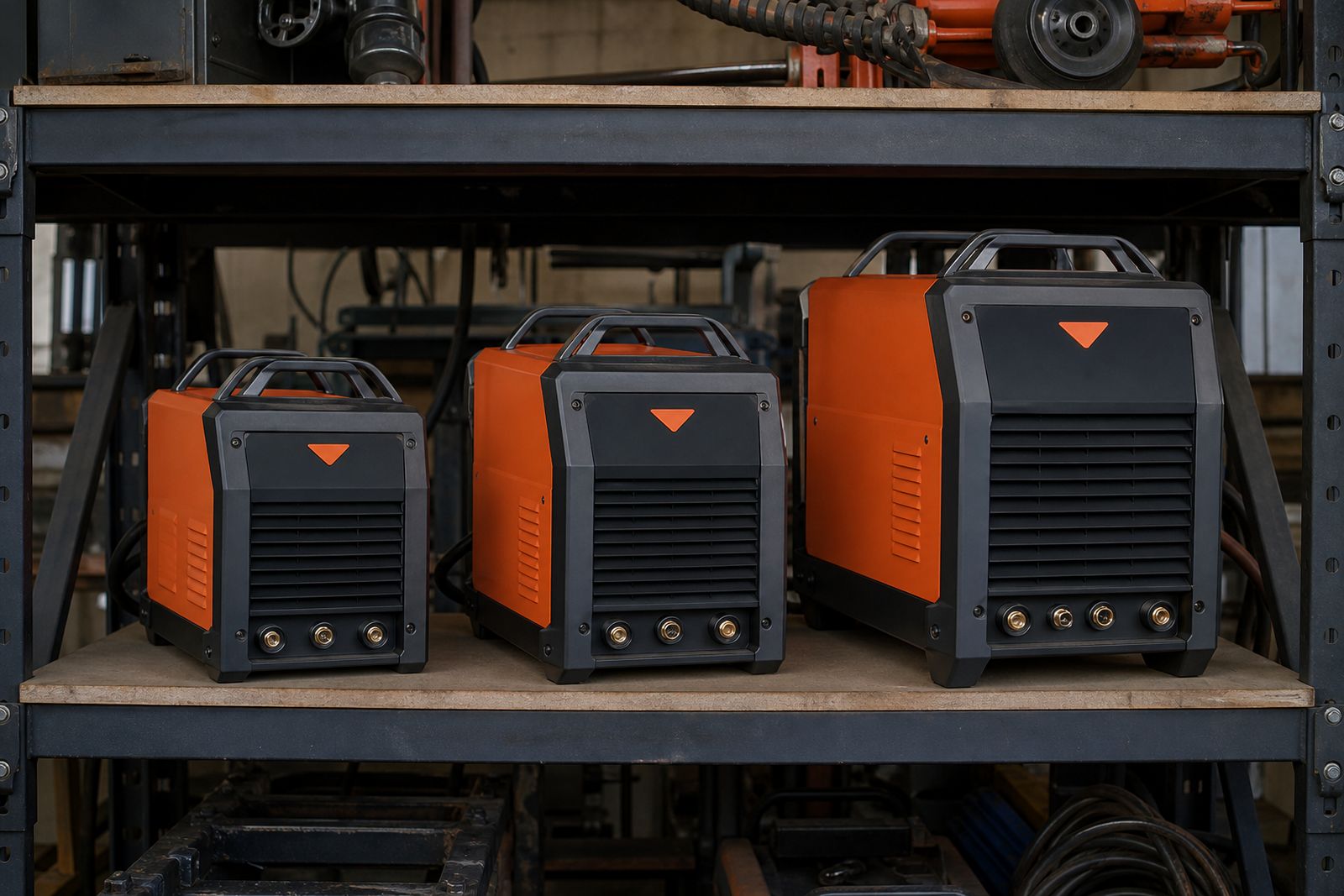
These 40 to 85 A air-plasma power units suit compact CNC cutting on sheet, light plate and portable jobs. We match them to small gantry cutters, torch type and available power from our Bloemfontein base.
Power units for lighter CNC cutting
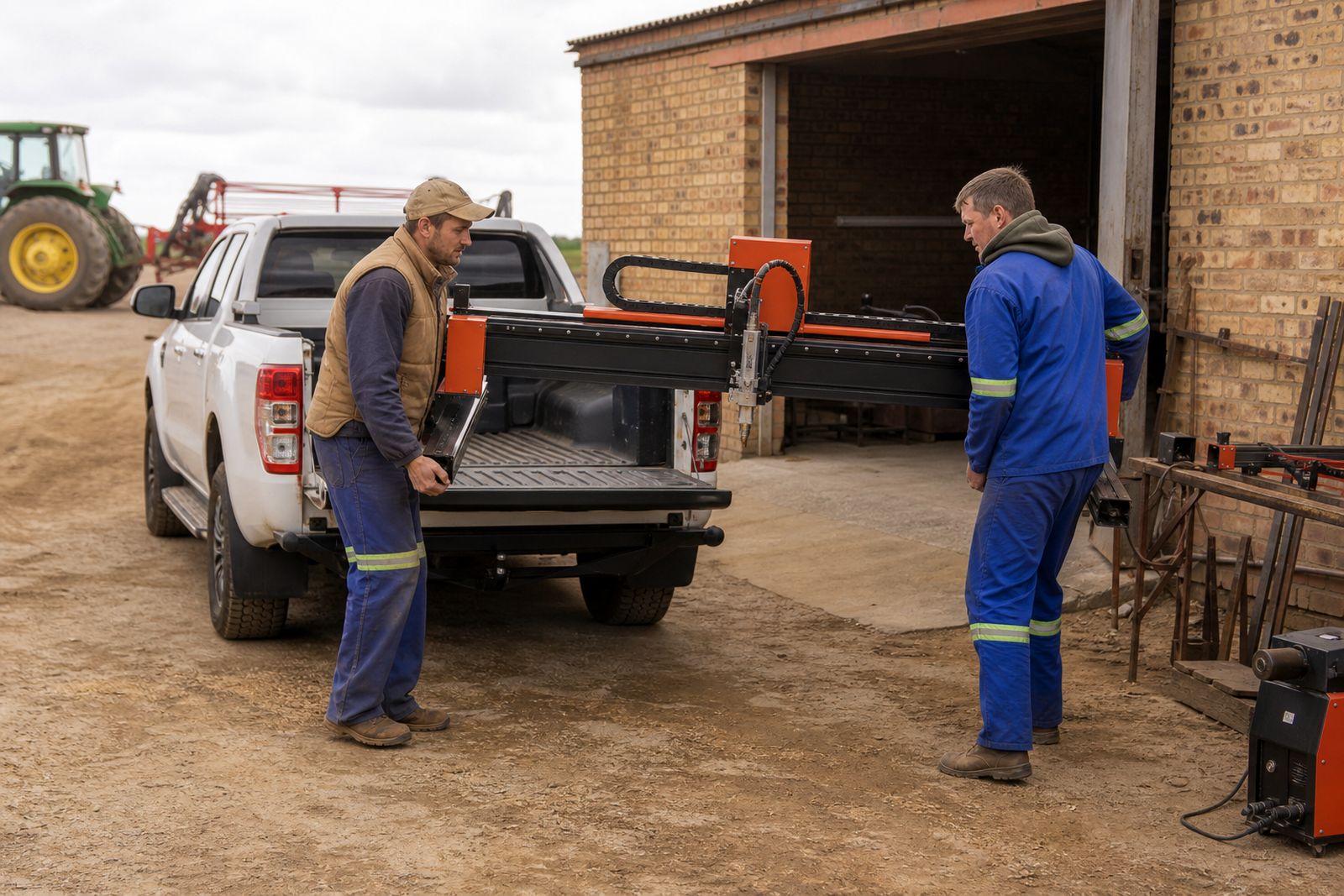
Our 40 to 85 A range covers the power end of compact plasma cutting for real fabrication work on lighter industrial plate. These units are commonly paired with portable gantry cutters, bench-standard compact machines and smaller workshop tables where floor space, input power and transport matter.
In this range, the main differences are output current, duty cycle, input supply and the thickness you can cut at a sensible travel speed. A lower-amp unit works well on thinner mild steel, sheet brackets, guards, base plates and repair parts. As the amp rating goes up, you gain cleaner production cutting on thicker material and more headroom for longer runs before heat build-up becomes the limiting factor.
- 40 to 45 A units suit sheet and lighter plate work.
- 60 to 65 A units are a common fit for mixed workshop cutting.
- 80 to 85 A units give more reach on thicker plate without moving into very large power demand.
- Available with machine torch setups, and hand torch options where the unit will do double duty.
Output range and realistic working limits
Rated output sets only one part of the working result. On a CNC cutter the useful question is what thickness you need to cut cleanly, day in and day out, with a stable arc and a feed rate that still makes sense. For most customers in this bracket, pierce thickness matters as much as severance thickness because production depends on repeatable holes, clean starts and consistent plate cutting.
As a practical guide, 40 A units are normally used on thin sheet up to around 6 mm for regular work, with occasional cuts beyond that where edge finish is less critical. Around 60 to 65 A is often the sweet spot for workshops cutting 3 mm to 12 mm material. At 80 to 85 A, many shops get comfortable production cutting into the mid-teens on mild steel depending on travel speed, air quality and torch height control. Stainless and aluminium can be cut too, but settings and edge finish differ and the machine must be matched properly.
These units suit lighter plate duties, moderate daily production and compact gantries. Heavy plate, long daily production runs on thick material and large fixed gantries with higher duty demands call for a bigger power bracket. In those cases we will point you to a larger unit that can carry the work properly.
Single-phase or three-phase on your site
Power supply on site usually decides more than one customer expects. Some smaller units can run on single-phase supply, which helps on farms, small workshops and portable jobs where three-phase is unavailable. Higher output units in this band may need three-phase input, especially once you move toward longer cutting sessions and higher duty cycles.
In Bloemfontein and across the Free State we often see mixed conditions: a workshop with decent mains supply, then field work where the cutter must travel. If a unit is expected to work from generator power, the generator must be sized correctly and hold voltage steadily under load. Plasma power sources do not like poor supply quality and that catches people out quite often.
- Check whether you have single-phase or three-phase where the cutter will stand most of the time.
- Allow for the current draw of the plasma unit, motion system and compressor together.
- Keep extension leads short and correctly rated if the unit is used portably.
- Plan for dry compressed air with the correct pressure and flow.
Where these units fit best
This range suits workshops making brackets, gussets, covers, flanges, gates, repair parts and short-run components from sheet and light plate. It also fits mobile welding teams who need a machine torch setup for repeat jobs but still want the option of a hand torch at another site. Farm maintenance work is a common use, especially where there is no appetite for a large permanent cutting table.
They are best on lighter plate work, shorter nests and jobs that allow for normal dross clean-up. If your daily output depends on thick plate all week, a larger power source is usually a better spend even if the upfront price is higher.
Air quality matters more than many people think. In summer storms and humid spells, wet air causes inconsistent arc starts and faster wear on torch parts. On the Highveld that can show up after a damp morning or when a small compressor runs too hot. A proper dryer prevents moisture problems and cuts down on day-to-day frustration.
Air, layout and day-to-day care
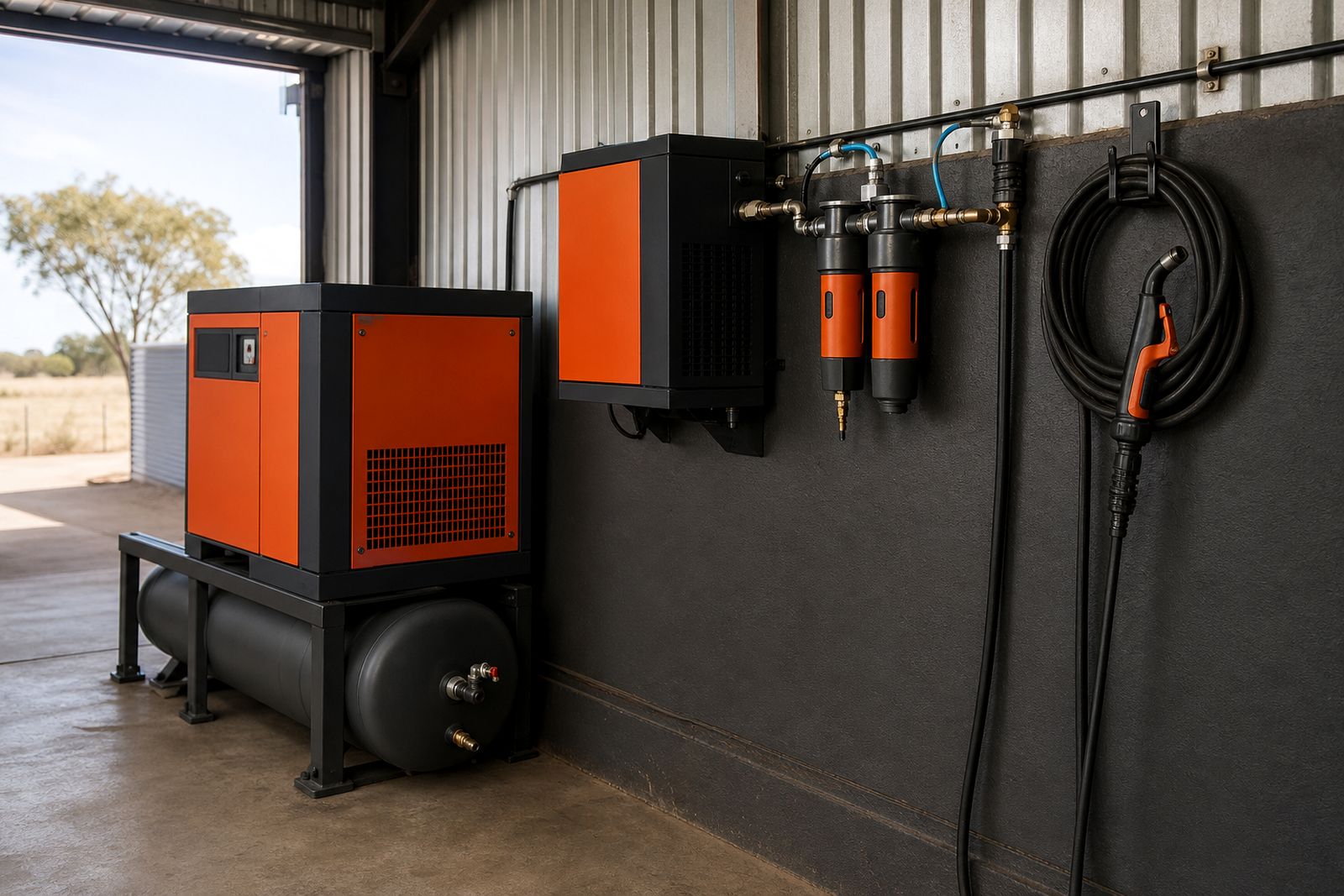
Every plasma unit in this class needs clean dry air at the pressure and flow rate set for the torch and current level. A small compressor may keep up with hand cutting but struggle once the CNC starts longer passes. We can help match compressor output and dryer size so the plasma source keeps a steady air supply through a full nest.
Keep the machine away from grinding dust, allow ventilation around the power source and drain air lines regularly. Torch leads should be routed where they do not kink or drag across sharp table edges. Basic housekeeping improves arc stability and consumable life.
- Use a compressor with enough delivered air volume for the plasma unit.
- Fit an air dryer where humidity or compressor heat causes moisture carry-over.
- Clean intake areas and check cable connections during routine shutdowns.
- Store hand and machine torches where dirt cannot enter fittings and leads.
Details to send with your enquiry
When you contact us through our contact form, tell us what material you cut most often, the usual thickness range and the maximum thickness you expect to tackle. We also need to know if the unit is for a portable gantry, a compact bench machine or mixed hand and CNC use. That saves a lot of guesswork and gets the power bracket closer to the real job.
Please include your available power supply, your town, whether the machine will travel between sites and if you already have compressed air on hand. If the work is on farms, in a small shed or near the Lesotho border where supply can be uneven, say so. Those details matter more than a glossy spec sheet.
We sell and support these units from Bloemfontein, with call-outs across the Free State and further afield where needed. On-site operator training can be added where the cutter and power unit are being commissioned together, and that helps new operators avoid a few expensive mistakes early on.
What our Portable Plasma Cutter customers say
Verified Google reviews
Questions we get asked
Can I run one of these units on a farm with only single-phase power?
Often yes, if the chosen unit is rated for single-phase input and the rest of the setup is sized properly. Tell us what supply you have on site and whether a compressor will run from the same line.
Will 85 A cut thick plate cleanly every day?
It can handle thicker work than the smaller units in this range, but daily thick-plate production is usually where a larger power source starts to make more sense. The right answer depends on your usual thickness, edge finish needs and duty cycle.
Do I need an air dryer if I already have a compressor?
In many cases, yes. A compressor provides air volume, while the dryer helps keep moisture out of the plasma stream. Damp air causes inconsistent cutting and shorter torch-part life, especially in humid spells or on long cutting runs.
Also worth a look
Tell us about the job
Send sizes, materials and where you are through our contact form, and we will come back with the practical options.
Open the contact form