105 to 200 A power units
These higher-output plasma power units are aimed at portable CNC cutting where thicker plate, longer runs and a machine torch matter more than portability alone. We match the power unit to the gantry frame, air supply and the kind of steel you actually cut in Bloemfontein, the Free State and farther out.
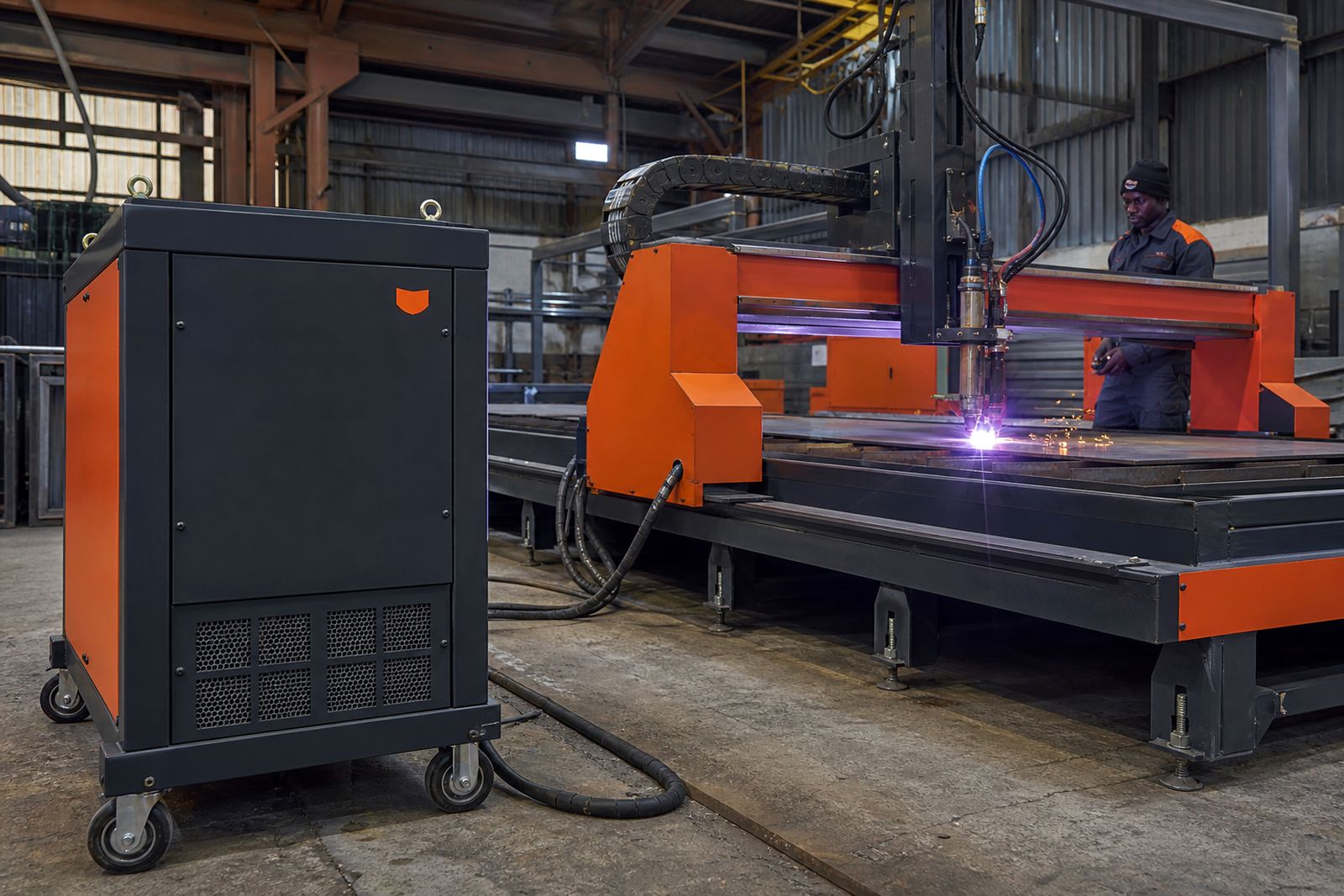
Built for thicker work and longer cutting runs
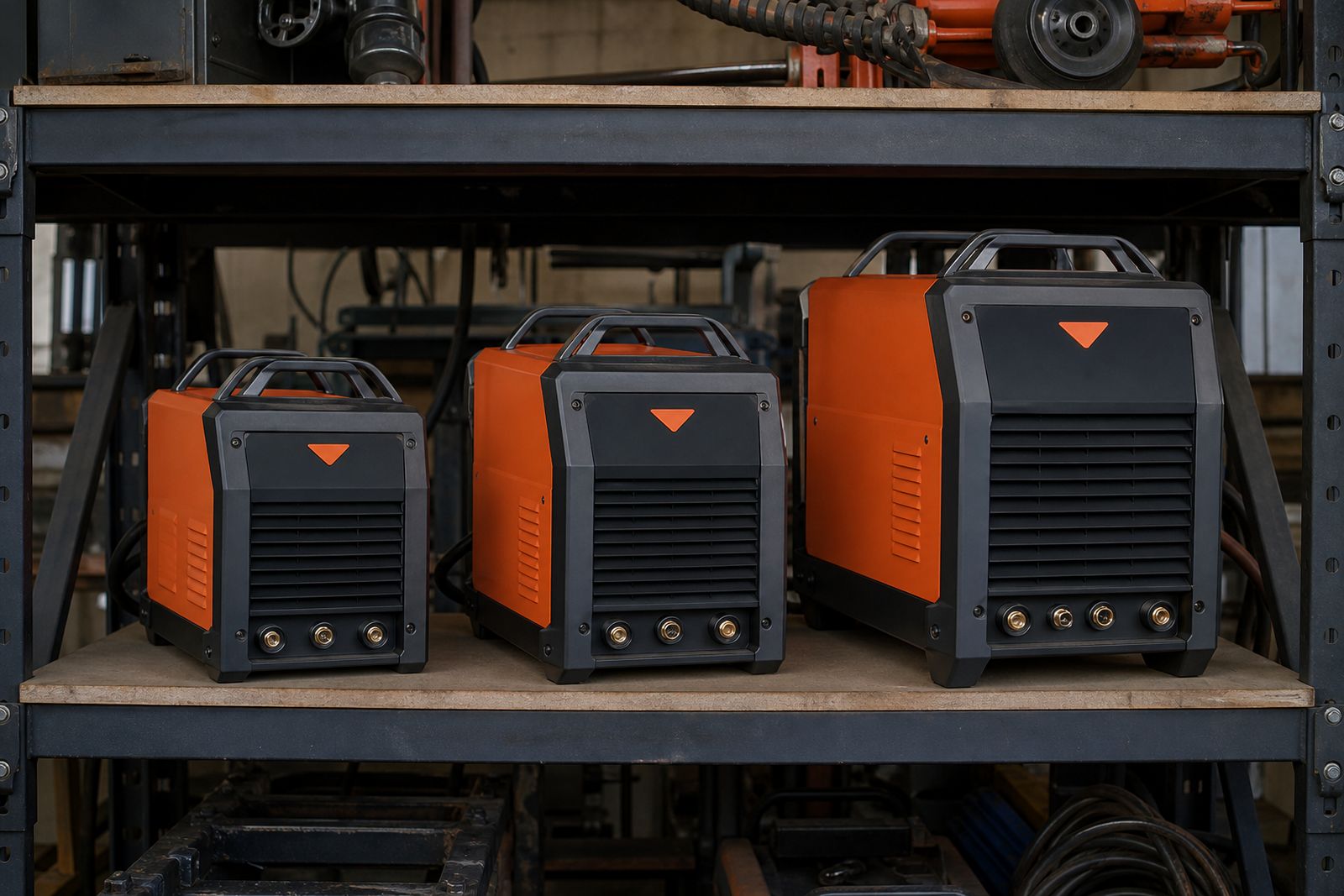
A 105 to 200 A unit sits in a different class from the lighter single-phase sets used for short farm jobs and occasional plate cutting. These units are intended for machine-torch CNC use on portable gantry frames where plate thickness, edge quality and duty cycle start to count properly. They suit fabrication shops cutting base plates, gussets, brackets, wear parts and repeated production shapes, and they also fit mobile setups where the operator has access to a suitable three-phase supply on site.
In practice, the benefit includes maximum thickness, more stable arc performance over long nests, better travel consistency on thicker mild steel and less strain when the day includes repeated starts and stops. On a bed running full sheets or long strips that matters quite a bit, especially when the machine is expected to work through a full shift without drifting into rougher cut quality.
- Power range from 105 A to 200 A.
- Machine-torch focused for CNC gantry cutting.
- Best suited to mild steel, stainless steel and aluminium within the correct setup range.
- Available with hand torch options where site work also forms part of the job.
Output sizes and real working limits
Choosing output by amp rating alone usually leads to a machine that is either over-bought or pushed too hard. We discuss your normal plate thickness first, then your maximum thickness, then how many hours the unit is expected to cut on a typical week. A 105 A unit is often enough for shops doing regular work on plate in the lower and middle thickness range. At 125 A to 160 A, production on thicker sections becomes easier and pierce capacity improves. The 200 A end is for heavier plate and longer duty cycles where the machine torch will be working hard for sustained periods.
There is always a difference between severance thickness and production thickness. Severance means the arc can get through the material. Production thickness means the cut can be used in real shop work without fighting slag, poor squareness or slow travel. That distinction saves a lot of frustration.
- 105 A: suited to regular CNC cutting on medium plate with lower running costs.
- 125 A to 160 A: a strong middle ground for fabrication shops with mixed thickness work.
- 200 A: intended for heavier sections and longer production cycles.
- Machine torch height control and dry air become more important as output rises.
If your work is mostly thin sheet, signage detail or fine artwork, this is probably the wrong page. A smaller unit paired to a compact cutter will usually do cleaner work at lower operating cost.
Where these units fit on site
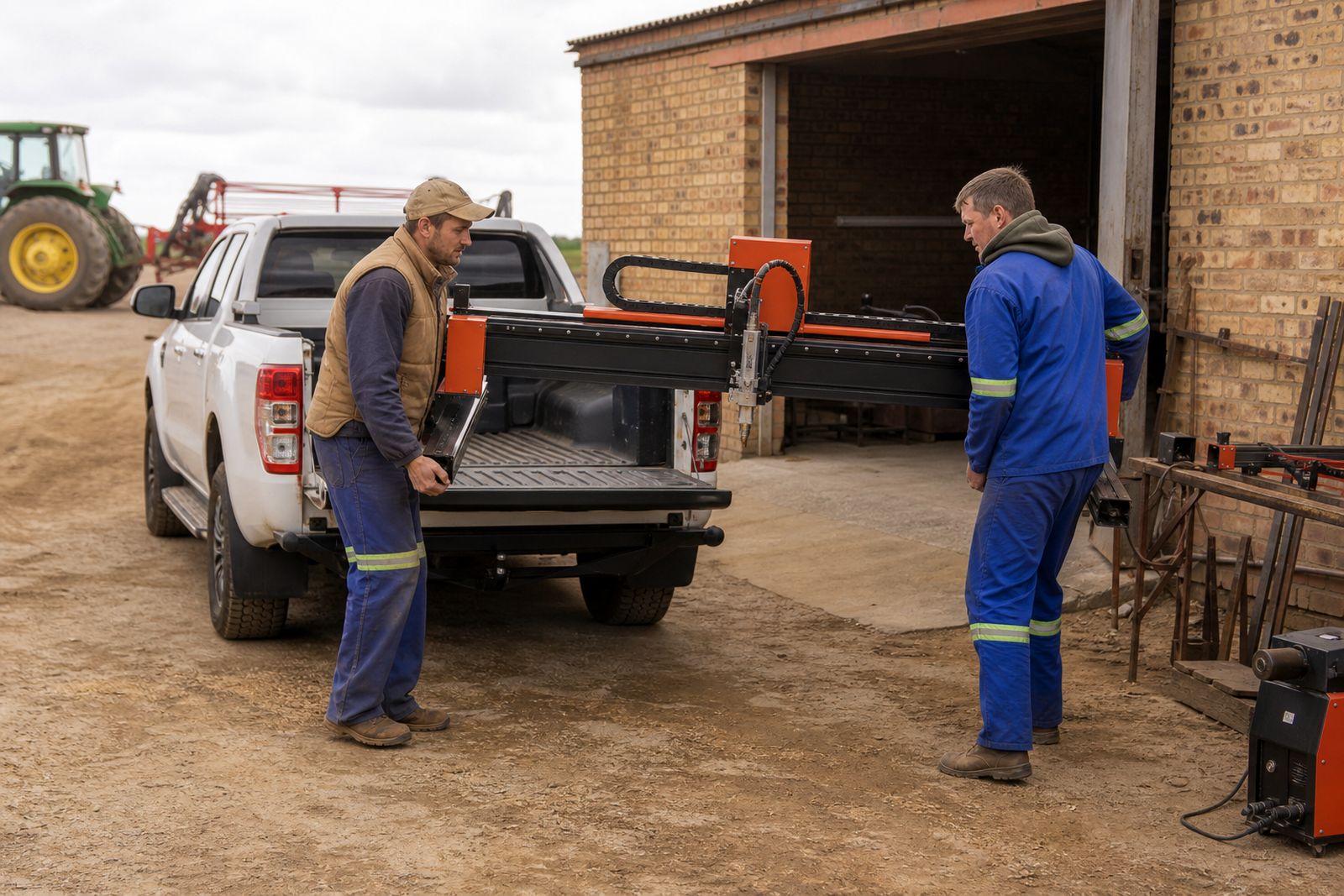
These power units make sense in small to mid-sized fabrication shops, repair workshops serving mines or agriculture, and mobile welding operations that cut heavier plate at customer premises. In the Free State, a common pattern is a portable gantry installed in a workshop near Bloemfontein with occasional call-outs to outlying sites. In the Northern Cape and along Lesotho border towns, operators often need a setup that can travel, but still has enough output for thicker material once three-phase power is available.
These units suit sites with dependable three-phase power and a proper compressed air plan. A smaller system or a different cutting method may be a better fit where power is limited to ordinary single-phase supply or where every job happens in remote veld conditions with no dependable compressed air plan. These units also fall outside the brief for heavy industrial gantries and high-volume factory lines. Our range is centred on compact and portable CNC work rather than very large fixed installations.
Power, air and floor conditions that matter
For 105 to 200 A cutting, site conditions start to matter as much as the machine itself. The power unit needs a proper three-phase electrical supply with suitable protection, sound earthing and enough capacity for the output selected. Cable runs, extension choices and generator sizing all affect arc stability. If generator power forms part of the plan, say so early and we will point you to the practical limits.
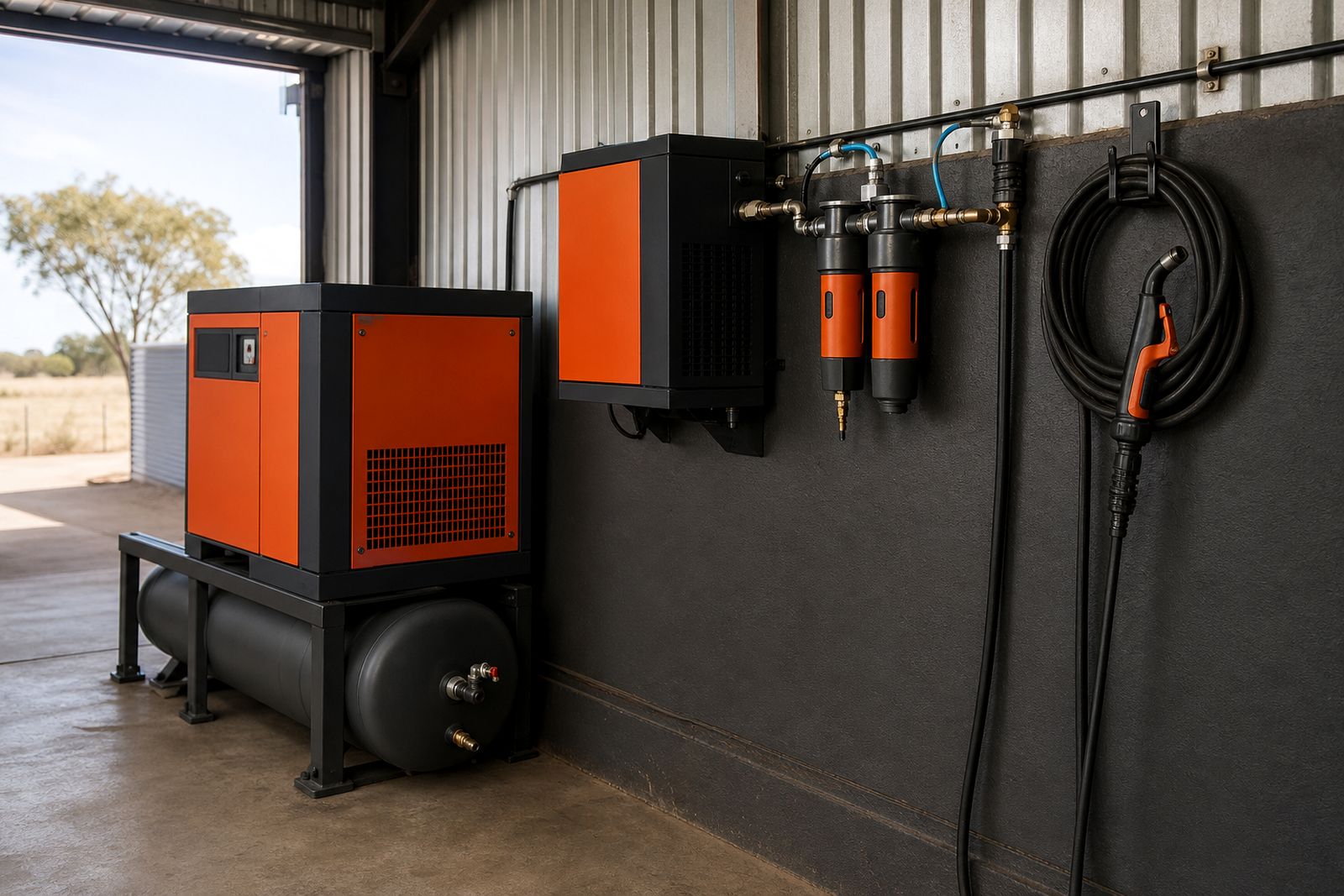
Air quality is just as important. Wet or dirty air shortens consumable life and makes cut quality erratic. In summer thunderstorms around Bloemfontein, and during temperature swings on the Highveld, moisture management becomes a real issue. A compressor and air dryer sized for the duty cycle are part of the cutting system. They need to match the job and the machine output.
- Three-phase mains supply matched to the unit output.
- Clean, dry compressed air with enough volume at the torch.
- A level floor or table arrangement that keeps the gantry tracking true.
- Good fume handling and safe plate support.
- Space for loading plate and routing leads without snagging.
Daily care and the parts that affect cut quality
Higher-output plasma systems are straightforward to live with if the operator keeps to a few habits. Torch consumables need regular inspection. The air line should be drained and checked, and the machine torch setup must stay square to the plate. Many cutting problems blamed on the power unit turn out to be poor air, worn consumables or an incorrect pierce height. It sounds basic, but on busy shop floors those are the items that slip first.
On machines used for repeated production work, keep a record of typical settings by material type and thickness. That makes restarts easier after a shift change or a site move. It also helps when one operator cuts 12 mm mild steel all week and the next person loads 20 mm plate on Monday morning without checking amperage, feed rate and pierce practice. Small checks save plate and time.
What to send with your enquiry
For a 105 to 200 A unit, the useful details need to be specific. Tell us the material, the normal thickness you cut, the maximum thickness you need to get through, and whether the torch will be used only on a CNC gantry or by hand as well. It also helps to know where the machine will work most of the time, because workshop supply in Bloemfontein is very different from a mobile setup moving between farm yards and site containers.
Please include the bed size you have now or the frame size you want, plus any plans for a compressor, dryer or generator. If you are replacing a smaller plasma source that has been underpowered, mention what has been going wrong. That gives a much clearer starting point than amperage alone. You can send those details through our contact form.
- Material type and normal plate thickness.
- Maximum pierce or severance requirement.
- CNC machine torch only, or hand torch and machine torch.
- Available power supply on site.
- Compressor and air dryer details, if already on hand.
- Main town and whether the machine stays in a shop or travels.
What our Portable Plasma Cutter customers say
Verified Google reviews
Questions we get asked
Can a 105 to 200 A unit run on a small site generator?
Sometimes, but generator sizing and power quality matter a great deal at this output level. Tell us the generator rating, voltage arrangement and whether the unit will cut at full output or mostly below it.
Are these units the right choice for thin decorative work?
Usually not. If most of your work is fine detail in thin sheet, a lighter setup often gives a better fit at lower running cost. The higher-output range is meant for thicker plate and longer machine runs.
Do I need an air dryer with a bigger plasma unit?
An air dryer is strongly recommended in most real shop conditions. Moisture in the air line affects consumable life, arc stability and edge finish, and those problems become more costly as output rises.
Also worth a look
Tell us about the job
Send sizes, materials and where you are through our contact form, and we will come back with the practical options.
Open the contact form